
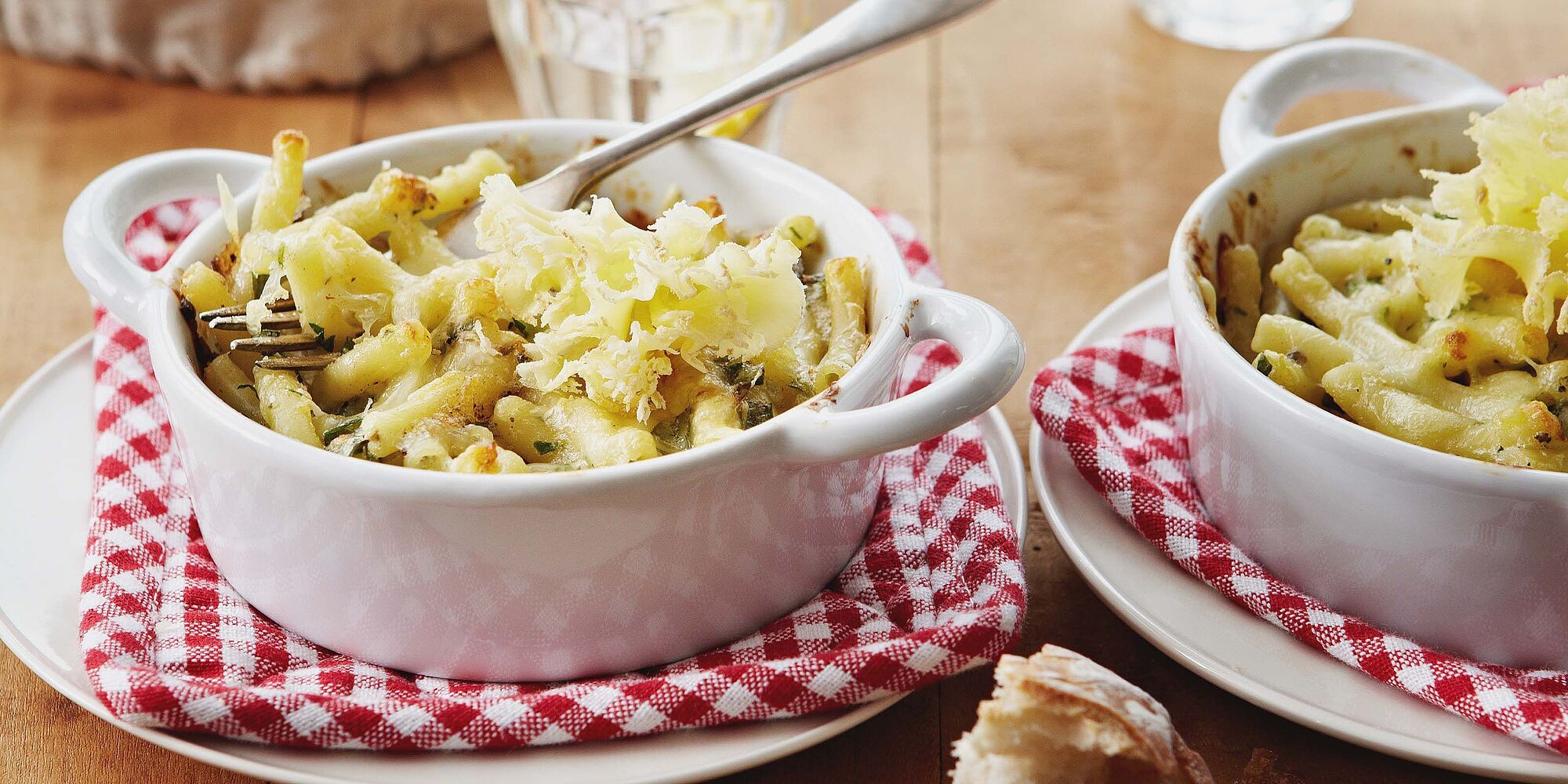
Fashioning small cylindrical monks head cheeses they invented a machine called a girolle to thinly shave away layers from the top exposing a bald spotMade of raw cows milk this semi-hard cheese has a dense texture and a seriously intense fruity flavor. These include both classic dishes from Switzerland as well as dishes that feature Swiss ingredients. Eight centuries ago in the Swiss Jura Mountains monks of Bellelay Abbey had a sense of humor. The Tête de Moine literally monks head is a cylindrical semi-hard raw milk cheese with a weight of around 800 grams and a very fine batter that melts easily in the mouth. Pasta with Spinach and Bacon. Tête de Moine is a cylinder-shaped Swiss cheese that is brine-washed while it is being aged 4 to 6 months. Thanks for your vote. Of course the cheese can be enjoyed when sliced thinly on the cheese board and. This exhibition of photographs from the book will portray the character of this cheese. Tete de Moine was invented by.
Adding to its delicate mystique this subtle cheese is not cut into blocks or. The Tête de Moine literally monks head is a cylindrical semi-hard raw milk cheese with a weight of around 800 grams and a very fine batter that melts easily in the mouth. Once the milk is at 95F the culture can be added. The lactose present in milk in nature is largely found in the whey during. 0 0 25 mins. Arrange the arugula on a plate or platter and place the remaining salad ingredients on top. Tête de Moine is a semi-hard cheese with a silky body that quickly melts in your mouth. Serve seasoned with pepper. Tête de Moine on the Girolle cutter. Thanks for your vote.
The exhibition also portrays the many people who contribute passionately to the success of this cheese from the. It has a firm straw yellow paste and a spicy fruity flavor and aroma. Cut the Tête de Moine cheese using a Girolle scrape into rosettes and place over the spinach. Thanks for your vote. Begin by heating the milk to 95F 32C. Tɛd də mwan monks head is a type of cheese manufactured in SwitzerlandIt is classified as a Swiss-type or Alpine cheese and was invented and initially produced more than eight centuries ago by the monks of the abbey of Bellelay located in the community of Saicourt district of Moutier in the mountainous zone of the Bernese Jura the French. Tête De Moine Salad. Once the milk is at 95F the culture can be added. Tête de Moine is a semi-hard cheese with a silky body that quickly melts in your mouth. Tête de Moine is often shaved using a special cutter called a girolle.
It has a firm straw yellow paste and a spicy fruity flavor and aroma. These include both classic dishes from Switzerland as well as dishes that feature Swiss ingredients. Arrange the arugula on a plate or platter and place the remaining salad ingredients on top. Tête de Moine AOP 101 Non GMO lactose free and gluten free. If you do this in a pot on the stove make sure you heat the milk slowly and stir it well as it heats. 0 0 25 mins. Tete de Moine was invented by. It is not cut but turned into fine rosettes with a scraping device such as a Girolle or similar device. The exhibition also portrays the many people who contribute passionately to the success of this cheese from the. Whereas pasteurisation destroys the natural microflora of the milk unpasteurised or raw milk from the AOP region used for Tête de Moine AOP fully preserves its unique taste and is a prerequisite for the production of this cheese with its distinct aroma.
5 2 30 mins. Unlike most other mountain gourmet cheeses which tend to be very large it is made in small drums. Make an easy salad dressing with 2 parts freshly squeezed lemon juice and 3 parts extra virgin olive oil. Tête de Moine French pronunciation. It is not cut but turned into fine rosettes with a scraping device such as a Girolle or similar device. This exhibition of photographs from the book will portray the character of this cheese. Tête de Moine is a cylinder-shaped Swiss cheese that is brine-washed while it is being aged 4 to 6 months. The product which is matured for at least 25 months owes its strong unique flavour to the rich grass upon which the cattle feed and is a typical product of its terroir. Eight centuries ago in the Swiss Jura Mountains monks of Bellelay Abbey had a sense of humor. Heres a directory of Swiss recipes that youll find via my blog.